9+ curated guides • Updated October 2025
You open a delivery app, find your favorite spot, and then stare at the checkout screen in disbelief. Between service fees, delivery charges, and a 'small order' penalty, your $15 meal has somehow become $27. There's a better way to find 'places that deliver near me' that cuts out the costly middleman and directly supports the local businesses you love. These big tech platforms have sold us a story of convenience, but it's a convenience that comes at a steep price—not just for our wallets, but for the very neighborhood restaurants that make our communities vibrant. It's time to pull back the curtain and reclaim our connection to the food we eat and the people who make it.
That potato chip you're eating doesn't taste crisp—it sounds crisp. The truth is, your brain is the master chef, assembling the sensation of 'flavor' from every sense you have. We'll uncover the fascinating science of how the color of your plate can make food taste sweeter and why a heavier fork can make yogurt seem more satisfying. Forget everything you thought you knew about your taste buds. They are merely data collectors, dutifully reporting on sweet, sour, salty, bitter, and umami. The real artist, the entity that paints the rich, multi-layered portrait you call 'flavor,' resides between your ears. We're not here to discuss Michelin stars or secret ingredients. We're here to pull back the curtain on your own mind and reveal the astonishing sensory tricks it plays on you every time you sit down to eat.
Every Black Friday, Home Depot rolls out a sea of orange tags and 'Special Buys' designed to look like incredible deals. As a contractor who lives and dies by the quality of my tools, I can tell you most of it is junk. Forget the flashy combo kits and focus on what the pros are quietly stocking up on—this is the gear that will actually last. They want to lure you in with a five-tool combo kit for a price that seems too good to be true, and it is. Those tools are often older models with weaker motors and last-generation batteries. They're designed for the homeowner who might use a drill twice a year to hang a picture. My tools run eight to ten hours a day. They get dropped, covered in drywall dust, and pushed to their limits. The stuff in those doorbuster kits would last my crew about a week. This guide isn't about finding the cheapest thing; it's about finding the best value that won't fail you when you need it most.
That endless scroll on the Maxx website? It’s a treasure map, but most people don't know how to read it. While others see a jumble of random bags, you're about to learn the secret search tactics to pinpoint the hidden Prada, Coach, and Kate Spade deals every single time. This isn't about luck; it's about strategy. We're moving beyond passive browsing and into the realm of active, intelligent hunting. Prepare to transform your approach and your wardrobe, turning digital chaos into a curated collection of high-end accessories secured at prices that feel like a heist.
Your brain feels like a browser with 50 tabs open and your eyes are tired from staring at a screen. The last thing you have energy for is a complex meal. But what if the very act of making dinner could be the cure for your digital burnout? We're ditching 'quick and easy' for 'mindful and restorative' with recipes designed to be a sensory reset that clears the mental clutter from your day. This isn't about adding another task to your list; it's about transforming a daily chore into a powerful neurological tool for decompression and recovery.
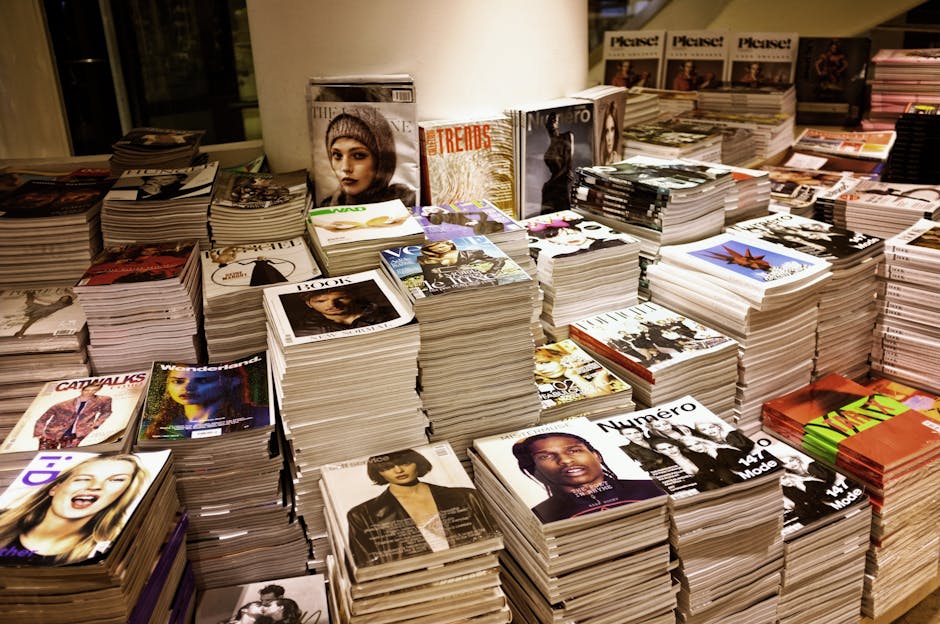
Forget the red carpet glamour and the airbrushed magazine covers. The most honest, revealing, and arguably powerful photograph of a celebrity isn't taken by a world-famous photographer—it's taken under the harsh, fluorescent lights of a police station. This is the accidental portrait: an image captured without consent, styling, or agenda, that strips away the meticulously constructed facade of fame. In this sterile, bureaucratic moment, the celebrity ceases to be an icon and becomes irrevocably human. We, as cultural critics and photo analysts, must look beyond the tabloid headlines to understand the mugshot for what it truly is: the ultimate unwilling collaborator in the creation of a raw, unfiltered, and deeply significant work of portraiture.
Forget jukeboxes and poodle skirts. In Warsaw, the most important milk bars aren't a nostalgic trip to the 1950s—they're a culinary time machine to the Soviet-era People's Republic. These state-subsidized cafeterias, once a symbol of communist austerity, are now the front line in a cultural battle for the soul of the modern Polish city. Known as bar mleczny, these establishments were designed to serve cheap, simple, and ideologically 'correct' meals to the working masses. Today, their survival is an act of defiance, a quiet protest served on a plastic tray against the encroaching tide of globalized cafes and luxury apartments.
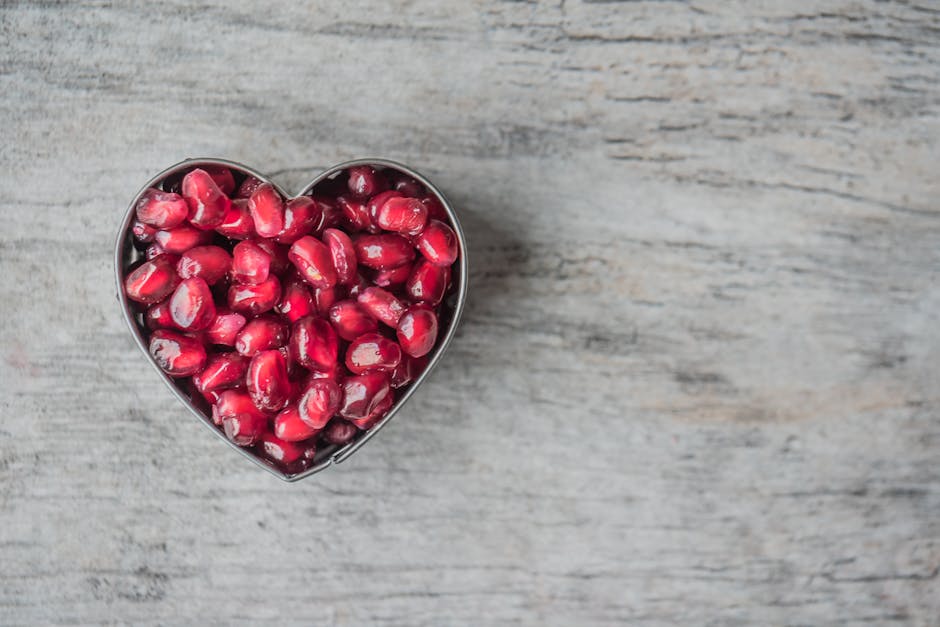
You meticulously scan the grocery aisle, choosing the granola bar labeled 'heart-healthy' and the yogurt promising 'low-fat' goodness. But what if these choices, guided by clever marketing, are doing less for your heart than you think? We're skipping the obvious list of salmon and kale to unmask the impostors in your pantry and reveal the surprising 'unhealthy' foods that might actually be your heart's true allies. As a Registered Dietitian, I've seen countless clients fall victim to the 'health halo'—a gilded cage of food marketing that prioritizes buzzwords over genuine nutritional value. This isn't about shaming your choices; it's about empowering you with the knowledge to see through the noise and build a truly resilient, healthy heart. Let's peel back the label and get to the truth.
You just typed 'food open near me' into your phone, and the results are... predictable. The same 24-hour diner, the same fast-food chain, the same soggy pizza joint. But what if you could find the places that the people who just finished cooking your city's best food go to eat when they're hungry? The truth is, after a 14-hour shift on the line, smelling truffle oil and meticulously plating microgreens, the last thing a chef wants is more of the same. We crave something else entirely: food that is honest, potent, and served without pretense. This is your guide to finding that 'after-hours menu'—the unlisted, unadvertised, and unbelievable food that fuels the restaurant industry itself.